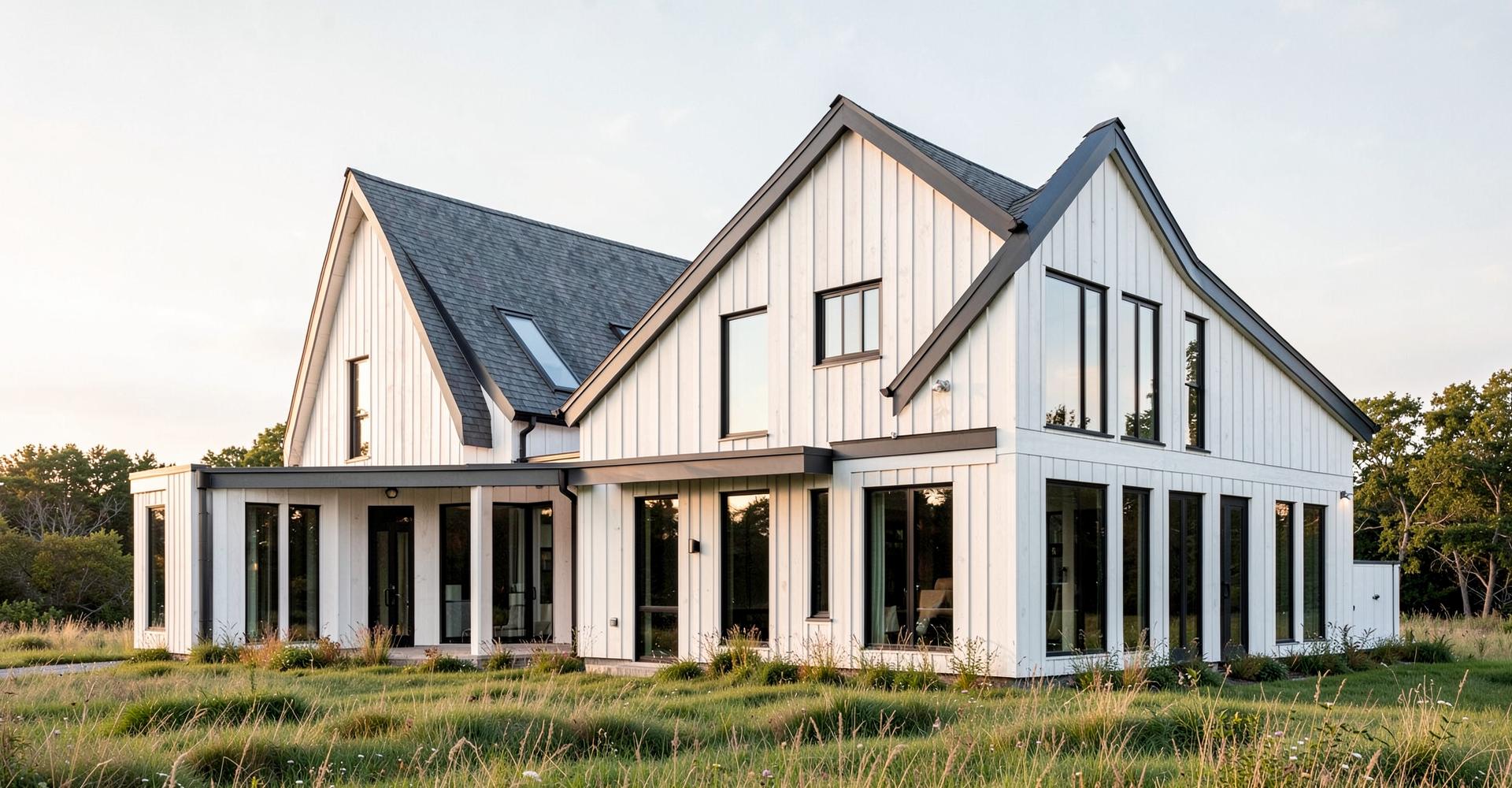
Start with fit, not availability. A builder who does beautiful new construction isn't automatically the right choice for a 1890s farmhouse, and a specialist in historic restoration may not be the value choice for a straightforward bathroom. Ask to see work that resembles yours in age, scale and complexity.
Verify the basics before you get emotionally invested. In Massachusetts, most residential contractors performing home improvement work are required to be registered as a Home Improvement Contractor, and work requiring a building permit is generally supervised by someone holding a Construction Supervisor License. Ask for the registration and license information and verify it through the Commonwealth's official channels rather than taking a business card at face value. Ask for a current certificate of insurance sent directly from the insurer, including liability and workers' compensation.
Then read how they write. A thorough proposal — clear scope, named allowances, stated exclusions, a payment schedule tied to progress — tells you a great deal about how the job will be run. Vague proposals produce vague projects.
Call references, and call more than one. Ask what went wrong, because something always does, and listen to how it was handled. That answer is more predictive than any list of finished projects.
Finally, weigh communication honestly. You'll be talking to this person for months, often about money and inconvenience. If it's difficult during the sales conversation, it won't improve once the walls are open.