
Permits & Planning · 5 min read
Massachusetts Home Improvement Permits Explained
Permits confuse homeowners because the rules are statewide but the process is local. Massachusetts has a state building code; your town's building department administers it.
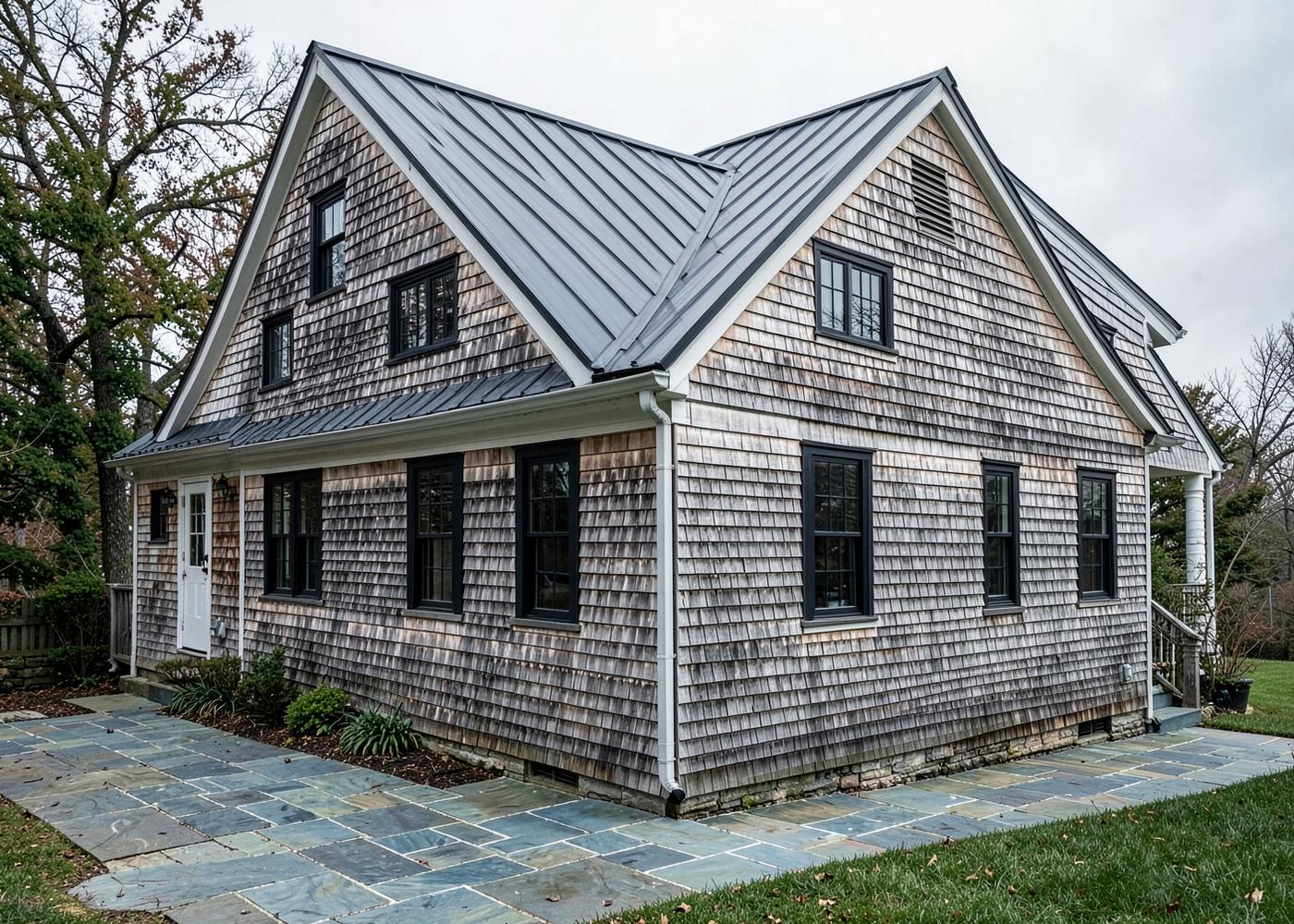
What generally needs a permit
Structural changes, additions, new decks, window openings that change framing, and most electrical, plumbing and mechanical work.
Cosmetic work — paint, flooring, cabinet swaps without plumbing or electrical changes — typically does not.
Your town's building department is the authority on any specific case, and requirements vary.
Who should pull the permit
Your contractor should. When a homeowner pulls the permit themselves, they take on responsibilities and consumer protections change.
In Massachusetts, home improvement contractor registration matters to how disputes and certain protections work — ask any builder about their registration and license status before signing.
Why timelines vary by town
Some towns turn permits around quickly; others have review queues, zoning board schedules, conservation commission meetings or historic district review.
If your project touches setbacks, wetlands buffers or a historic district, the front-end schedule is driven by meeting calendars, not by construction speed.
The short version
Assume permits are needed for anything structural or system-related, let your builder handle them, and ask early whether zoning, conservation or historic review applies.